How We Designed a HIPAA-Compliant Clinic Management System to Self-Host
In the healthcare sector, data is the most valuable—and vulnerable—asset. Every day, dental practices, specialized clinics, and general practitioners handle highly sensitive Protected Health Information (PHI). For years, the industry has been pushed toward multi-tenant Software-as-a-Service (SaaS) platforms. While convenient, these cloud platforms introduce a critical compromise: you surrender ownership of your patient data to a third-party vendor.
For clinic owners who prioritize absolute data privacy, legal compliance, and operational resilience, the SaaS model presents significant risks. This article explores the technical and architectural journey of designing ProMediClinic, our self-hosted clinic management system, and outlines how you can deploy a secure, HIPAA-compliant environment on your own private infrastructure.
The Pain: The Hidden Cost of Cloud-Based Healthcare Platforms
When you sign up for a cloud-based clinic management system, you are not just buying software; you are trusting an external entity with your practice's lifeblood. This model introduces several critical pain points:
- Data Lock-in and Escalating Fees: SaaS vendors frequently adjust their pricing models. A platform that started at $99/month can easily balloon to hundreds of dollars per practitioner as your clinic grows. Worse, extracting your historical patient records, digital SOAP notes, and billing history from their proprietary databases can be incredibly difficult and expensive.
- The Honey Pot Effect: Multi-tenant SaaS platforms store the records of thousands of clinics in centralized databases. This makes them prime targets for sophisticated cyberattacks and ransomware. A single breach at the provider level can expose your patients' data, leaving your clinic legally liable.
- Operational Dependency: If your SaaS provider experiences an outage, your front desk cannot check in patients, your doctors cannot access clinical histories, and your billing team cannot process payments. Your entire business grinds to a halt because of an external server failure.
The Impact: Why Data Sovereignty Matters for Modern Clinics
For healthcare providers, data sovereignty is not a luxury—it is a legal and operational necessity. Under frameworks like HIPAA (Health Insurance Portability and Accountability Act) in the United States and GDPR (General Data Protection Regulation) in Europe, clinic owners are personally and financially liable for data breaches.
+-------------------------------------------------------------------------+
|                         The Cost of a SaaS Breach                       |
+-------------------------------------------------------------------------+
|  [SaaS Vendor Breach] ---> [Patient Data Exposed] ---> [HIPAA Fines]    |
|                                                             |           |
|  [Loss of Patient Trust] <--- [Class Action Lawsuits] <-----+           |
+-------------------------------------------------------------------------+
If a third-party SaaS platform suffers a breach, your clinic still faces the reputational fallout, potential class-action lawsuits, and regulatory audits. By shifting to a self-hosted clinic management software model, you reclaim complete control over where your data resides, who has access to it, and how it is secured.
The Solution Framework: Designing a Secure, Self-Hosted Architecture
When we set out to design ProMediClinic, our goal was to build a robust, Laravel-based web application that gives clinics the power of enterprise-grade management tools without sacrificing data ownership.
To achieve this, we focused on three core architectural pillars: technical safeguards, secure data modeling, and infrastructure isolation.
Architecting Secure Patient Records and Digital SOAP Notes
At the heart of ProMediClinic is the patient record module. To ensure these records remain secure even in the event of unauthorized database access, we implemented strict technical safeguards at the application layer:
- Application-Layer Encryption: Sensitive fields within the database—such as patient social security numbers, medical histories, and digital SOAP (Subjective, Objective, Assessment, Plan) notes—are encrypted before they are written to the disk. Using Laravel's built-in encryption engines (utilizing AES-256-CBC), data is unreadable to anyone accessing the raw database without the application's unique cryptographic key.
- Granular Role-Based Access Control (RBAC): Not everyone in a clinic needs access to clinical notes. ProMediClinic enforces strict separation of duties. Front desk leads can manage appointment scheduling and billing without having read access to sensitive clinical SOAP notes or prescriptions, which are reserved for practitioners.
- Immutable Audit Trails: HIPAA requires clinics to track who accesses PHI and when. We designed an internal logging system that records every read, write, and update action. These logs are write-once and cannot be altered or deleted by standard administrative users.
[User Request] ---> [RBAC Middleware Check] ---> [Decrypt Layer (AES-256)] ---> [Render SOAP Note]
                                                        |
                                               [Write to Audit Log]
How Self-Hosting Eliminates Third-Party Data Breach Risks
By self-hosting ProMediClinic on your own private cloud (such as AWS, DigitalOcean, or on-premise hardware), you eliminate the middleman.
- No Shared Databases: Your data is completely isolated from other clinics. There is no risk of a cross-tenant data leak.
- Custom Security Perimeters: You control the firewall rules, IP whitelisting, and VPN access. You can restrict access to the clinic management system so that it is only reachable from physical clinic locations or secure, encrypted VPN tunnels.
- Controlled Maintenance Windows: You decide when to apply updates, perform database optimizations, or run backups, ensuring zero disruption to your patient care hours.
The Self-Hosted Clinic Deployment Checklist
To help your IT team or system administrator deploy ProMediClinic securely, we have compiled a production-ready deployment checklist:
- [ ] Server Hardening: Disable password authentication on your SSH daemon; use cryptographic SSH keys exclusively. Configure a firewall (like UFW) to block all incoming traffic except ports 80 (HTTP), 443 (HTTPS), and your secure SSH port.
- [ ] Enforce TLS 1.3: Configure your web server (Nginx or Apache) to only accept modern, secure TLS protocols (TLS 1.2 and TLS 1.3) with strong cipher suites. Obtain a free, auto-renewing SSL certificate from Let's Encrypt.
- [ ] Database Isolation: Never expose your database port (e.g., 3306 for MySQL) to the public internet. Ensure the database only listens on
localhost(127.0.0.1) or within a private virtual private cloud (VPC) subnet. - [ ] Encrypted Automated Backups: Set up hourly database backups. Encrypt these backups using a public GPG key before uploading them to an offsite, HIPAA-compliant object storage bucket (such as AWS S3 with KMS encryption enabled).
- [ ] Intrusion Detection: Install utility tools like Fail2ban to automatically block IP addresses showing malicious behavior or brute-force login attempts.
Enter ProMediClinic: Softentra’s Self-Hosted Clinic Management Solution
Designing a secure system from scratch is an incredibly complex, multi-year engineering effort. That is why we built ProMediClinic—to give healthcare practices a fully realized, production-ready alternative to restrictive SaaS platforms.
Built on the modern Laravel framework, ProMediClinic provides a comprehensive suite of tools tailored for dental clinics, specialized practices, and medical professionals:
- Patient & Record Management: Maintain comprehensive digital charts, medical histories, and secure patient profiles.
- Digital SOAP Notes & Prescriptions: Streamline clinical workflows with structured SOAP notes and digital prescription generation.
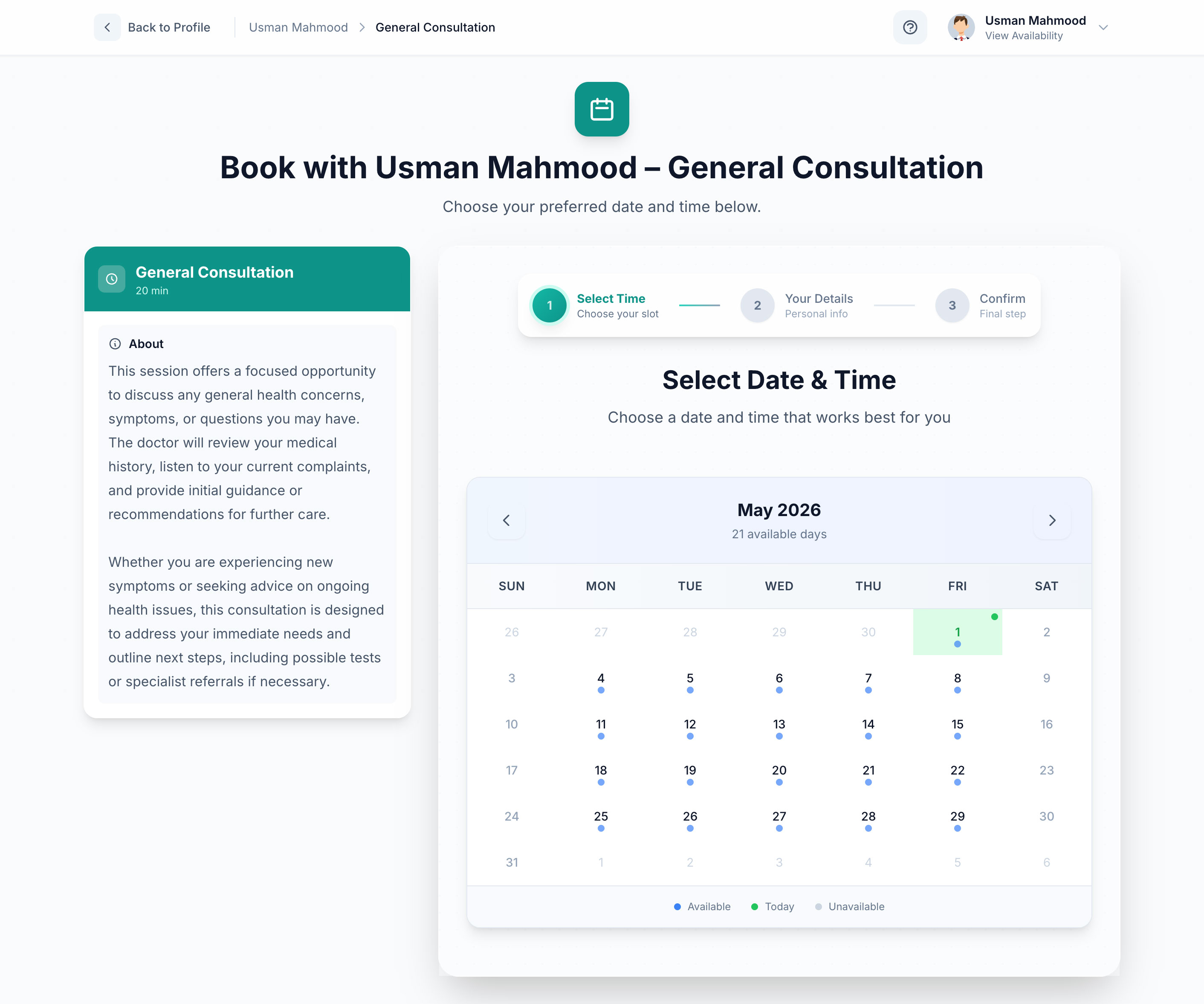
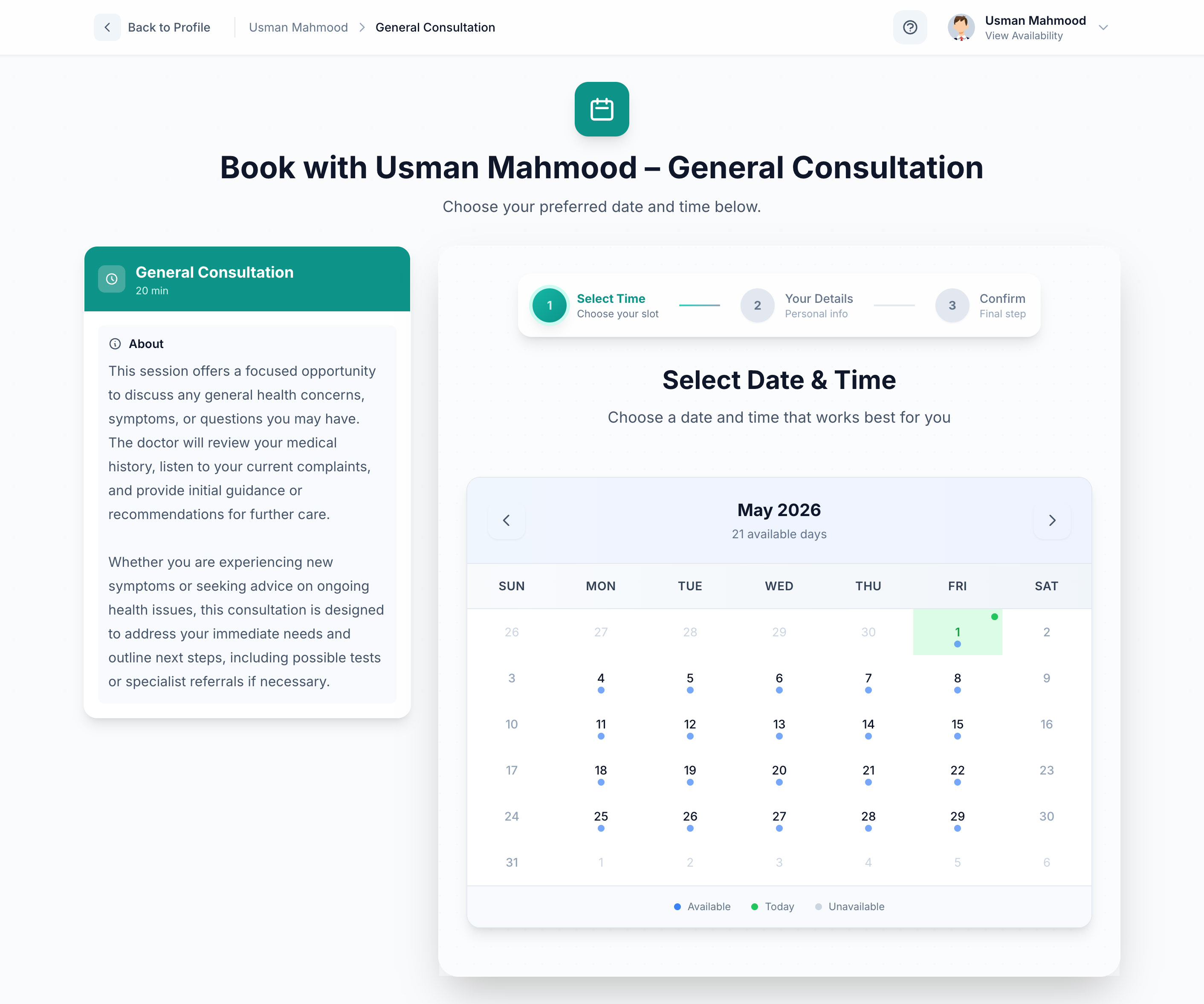
- Advanced Appointment Scheduling: A highly intuitive calendar interface designed to manage multiple practitioners, treatment rooms, and patient bookings seamlessly.
- Billing & Insurance Tracking: Generate professional invoices, track payments, and manage insurance claims directly within your self-hosted dashboard.
- Inventory Tracking: Monitor clinical supplies, dental materials, and pharmaceuticals with automated low-stock alerts.
Professional Deployment and Auditing Services
While ProMediClinic is designed to be developer-friendly and straightforward to install, we understand that healthcare professionals require absolute certainty when it comes to security.
To support your transition to a self-hosted model, Softentra offers specialized professional services:
- Cloud & DevOps Setup: Our engineering team will provision, configure, and secure your private cloud infrastructure (AWS, Azure, or DigitalOcean) to host ProMediClinic under strict security protocols.
- Performance & Security Audits: If you prefer to host on-premise, our team can perform a comprehensive security audit of your server environment, ensuring your network, database, and application configurations are fully optimized and hardened against external threats.
Frequently Asked Questions (FAQ)
Is self-hosted software automatically HIPAA-compliant?
No software is HIPAA-compliant out of the box. HIPAA compliance is a combination of software design (encryption, audit logs, access controls) and infrastructure/operational security (hardened servers, physical security, signed Business Associate Agreements). ProMediClinic provides the necessary technical safeguards, but you must host it on a compliant infrastructure.
What are the minimum server requirements for hosting ProMediClinic?
ProMediClinic is built on the robust Laravel framework. It runs efficiently on a standard Linux VPS (Ubuntu 22.04 LTS) with at least 2 vCPUs, 4GB of RAM, and SSD storage. For larger clinics with multiple practitioners, we recommend scaling the database and application servers separately.
How do we handle automated backups securely in a self-hosted setup?
Backups must be encrypted both in transit and at rest. We recommend using automated cron jobs to dump the database, encrypt the archive using AES-256, and stream it securely to a private, HIPAA-compliant S3-compatible object storage bucket with object locking enabled to prevent ransomware tampering.
Next Steps: Take Control of Your Patient Data
Stop letting third-party SaaS vendors dictate how you manage your practice, how much you pay per practitioner, and where your sensitive patient data is stored. Reclaim your data sovereignty, lower your long-term operational costs, and protect your clinic from external data breaches.
Ready to take complete control of your clinic's digital infrastructure?
Deploy ProMediClinic on your own private cloud infrastructure for complete data sovereignty today.
Deploy ProMediClinic on your own private cloud infrastructure for complete data sovereignty.